“You cannot confuse tech availability with tech accessibility”: Behavioral Health Tech 2026 reflections by the CEO
4 min read
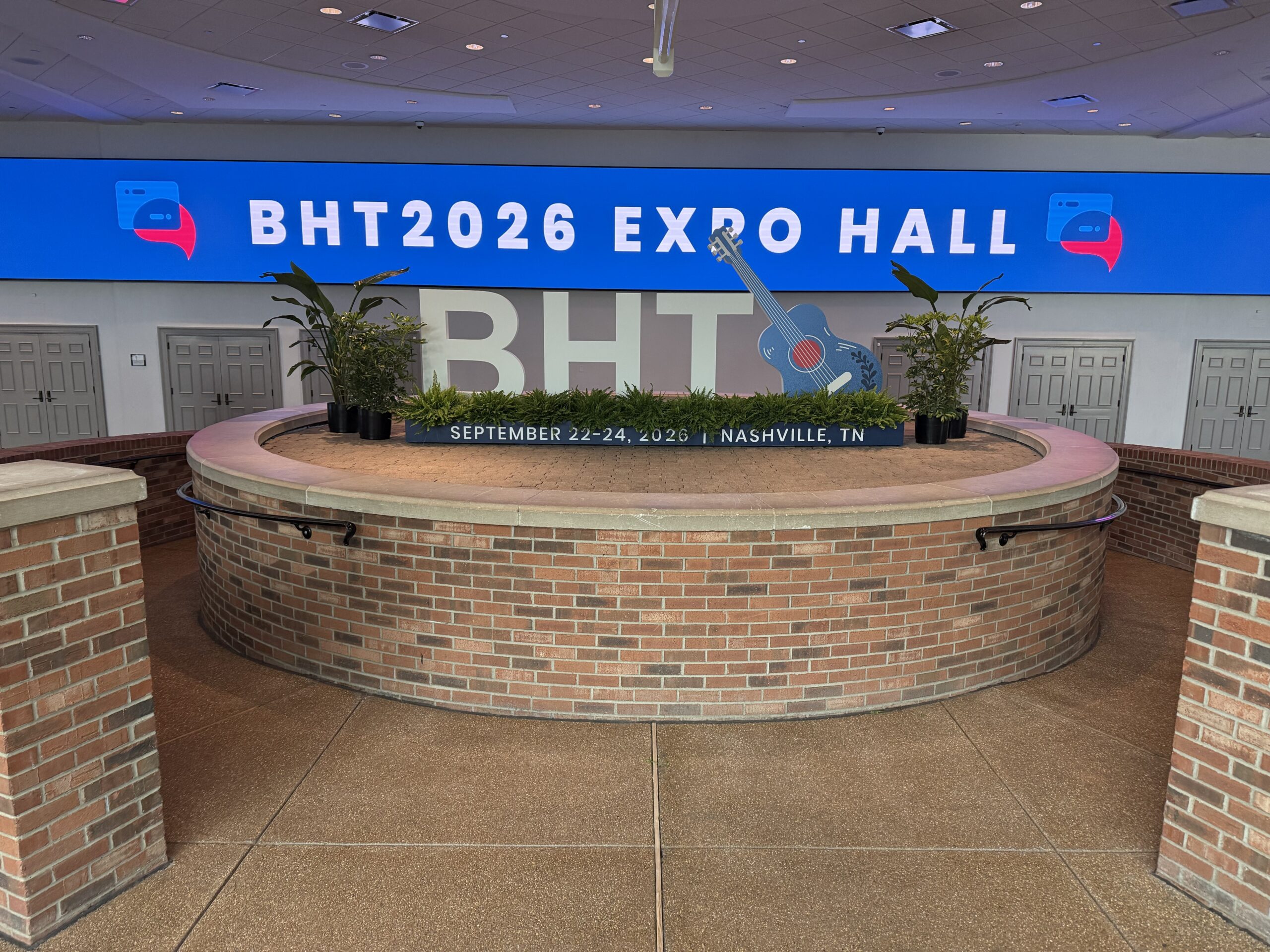
It was great to connect with so many different organizations in Nashville last week. I came away from Behavioral Health Tech thinking about a comment Maurice Washington from Elwyn made in the Where Evidence Meets What’s Next: Lessons From Leaders Bridging MH and IDD Care session on Thursday: “You cannot confuse tech availability with tech accessibility.”
That captured a lot of what I heard throughout the conference. We have more technology available in behavioral health than ever before. The harder question is whether people can actually use it to get care, support the people providing that care, and understand what is working. And, on top of being able to use the software, how they can ensure they have something that is compliant and safeguards them from regulatory and security risks.
For someone seeking help, accessibility might mean knowing where to turn and having a way to follow through when they are ready. It might mean family members, peers, or other people in their support network can play a role. We heard directly from patients, caregivers, providers, and technology partners on their perspectives, and those conversations were a reminder that care extends well beyond an appointment with a provider.
For organizations, accessibility looks different but is just as important. Workforce shortages and reimbursement pressure affect nearly every decision they make. Many want to involve peer support specialists and other team members with different levels of training and licensure to expand their ability to provide care in their communities. To make that work, they need to coordinate those services, document what each person is doing, and have the data to demonstrate the value of the care they provide. I appreciated hearing how groups like Marigold Health are approaching peer support in practice.
These are some of the problems we think about at ProsperityEHR. How do we help organizations use and access their own data? How do we support teams made up of people with different roles and licensure levels? How do we make it easier to share information with the referral networks and other people involved in someone’s care, with the right permissions in place? We’re excited that we have so many of our partners who use our software participating to ensure our product supports what they need, and that we can build with them. Having a compliant, secure solution is the foundation that allows for groups and organizations to focus on the mental and behavioral health challenges of improving outcomes on shrinking margins.
There was a lot of discussion about artificial intelligence (AI) at the conference, but I was glad the conversation went further than buzz words and theoretical use cases. Technology must work within the realities of behavioral health: limited staffing, complicated reimbursement, and people who may need support from more than one source. Additionally, many groups wondered if they can partner with or build their own technology solutions now that AI can expedite development. There was a lot of great discourse about how to do that work with compliance and security in mind. Something we found after talking to several groups is this great article as well discussing what DIY could mean for an organization: Would you DIY an EHR with AI? What medical practices should know before vibe coding.
Behavioral Health Tech gave us the chance to hear those realities from many different perspectives. It reinforced where we need to keep our focus: making technology usable for the organizations delivering care and the people they serve. The organizations we talked to aren't choosing between doing good and doing well — they're being asked to do both, every day, with fewer staff and tighter margins than the year before. That's the work we support. We look forward to attending more conferences in October and seeing where else the industry goes!
-- Melissa Tran